Fifty Postcards, One Complaint Each: My Side Project's Low-Tech Stress Test
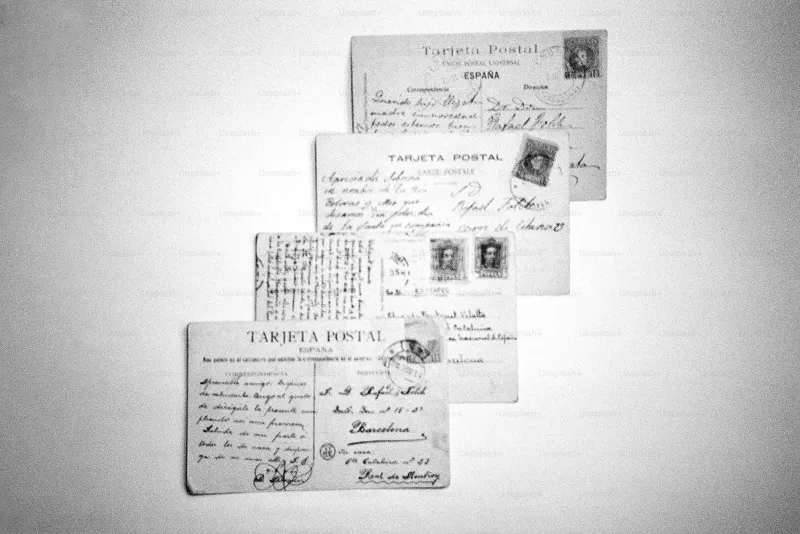
Photo: handwritten postcards scattered on wooden desk with stamps, via plus.unsplash.com
Every side project I've shipped into the wild has the same feedback loop: a Google Form nobody fills out, an email address nobody emails, and a dashboard full of numbers that tell me what happened but never why.
So this year I tried something dumb on purpose. I bought a box of postcards, a roll of stamps, and a list of 50 strangers pulled from a community board where people volunteer for research studies. Then I did the one thing no SaaS founder would ever recommend: I asked for feedback by mail.
The Rules of the Experiment
The setup was deliberately strict, because loose rules breed polite feedback and polite feedback is worthless.
- Each postcard got a short handwritten note: "I built a small web app that does X. Try it for five minutes. Mail back ONE complaint. Not a compliment — a complaint."
- One complaint per person. This mattered. Open-ended feedback invites essays nobody writes. A single complaint is a digestible ask.
- I pre-addressed and pre-stamped the reply side so the friction was as close to zero as physical mail allows.
- No analytics review until the experiment ended. I wanted the postcards to be the primary signal, not a garnish.
The app itself was a chore-tracking side project I'd been circling for months. Nothing fancy. The landing page explained itself in two sentences.
The Response Rate That Broke My Brain
Here's the part I can't stop thinking about. My in-app feedback form historically converts at 0.4%. Users click it, maybe type "nice app," and vanish.
The postcards pulled back 17 responses out of 50 — a 34% response rate. From strangers. Who had to find a pen.
I've been sitting with why this worked, and I think it's three things:
- A stamped, addressed reply card is a physical obligation. It sits on a kitchen counter, guilt-tripping you in a way a browser tab never does. (Yes, I've built software that guilt-trips me via text. The postcards beat it.)
- Handwriting signals a real human is on the other end. Nobody writes "this is broken" by hand to a corporation. They write it to a person.
- The one-complaint constraint is a gift to the reviewer. It lowers the cost of participating to roughly ninety seconds.
The Most Brutal Cards, Transcribed
Some highlights from the mailbox, lightly censored for the sake of my ego:
"Signed up, hit a wall at the second screen, closed the tab. Didn't care enough to go back. That's your problem, not mine."
That one hurt because it's true. My onboarding had a step I'd been rationalizing for weeks.
"Your app loads fine but I have no idea what it's FOR until I click three things. Put the point upfront. This is Postcards 101, Aleks."
A stranger used my first name because I signed the card with it. Weirdly effective. Also, "Postcards 101" from a man writing a postcard is the kind of irony I'd never get from a support ticket.
"The green button and the blue button did the same thing?? I clicked both. Twice. Fix that."
They did not do the same thing. But if a tester thinks they do, they do.
"Worked great on my laptop. Unusable on my phone. It's 2025."
Fair. Devastatingly fair.
What the Postcards Caught That My Dashboard Missed
My analytics told me 60% of visitors dropped off at the second screen. It could not tell me they dropped off bored and confused and on a phone. The postcards gave me affect — annoyance, indifference, one suspiciously warm compliment disguised as a complaint ("the app is fine, I guess, but the name is terrible" — noted, sir).
Within a weekend I:
- Deleted the onboarding step everyone tripped over
- Rewrote the landing page to state the app's purpose in the first line
- Made the mobile layout the default, not the afterthought
- Renamed the two lookalike buttons
Four changes. All of them obvious in hindsight. None of them surfaced by six months of staring at funnel charts.
Would I Do It Again?
Already planning round two, with tweaks:
- 50 is the right sample size for a side project. Big enough for signal, small enough that I read every card twice.
- I'll ask for one complaint AND one moment of confusion next time. Those turn out to be different beasts.
- Cost per insight: about $0.85 per postcard, or roughly $1.50 per piece of usable feedback. My last analytics tool cost more per month and told me less.
The takeaway I keep coming back to: modern feedback tooling is optimized for scale, and side projects don't have scale. They have, at best, dozens of people who care enough to bother. Postcards meet people where bothering is easy — at the kitchen table, with a pen that works.
The lab notebook entry for this one is short: Low-tech loop beat high-tech dashboard. Ship uglier, ask by mail, listen harder.
If you're sitting on a side project with a silent feedback form, do the stupid thing. Buy the stamps.