One Year of Closet Servers: The Real Bill Nobody Shows You Upfront
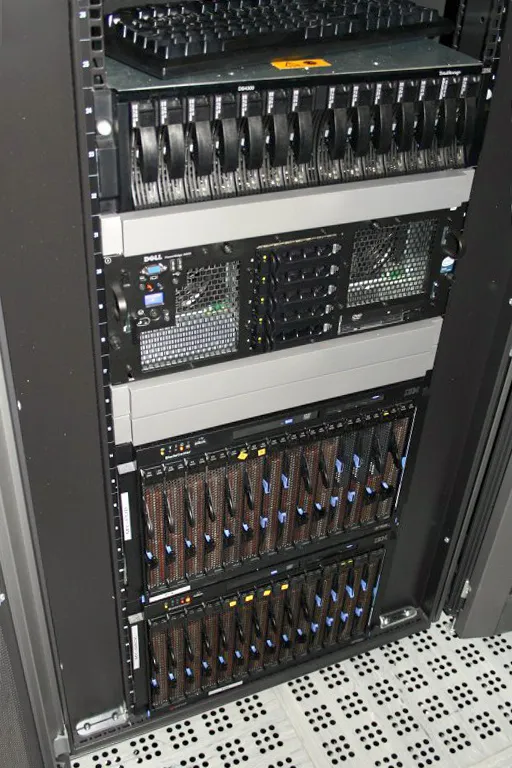
Photo: William Viker, Attribution, via Wikimedia Commons
Somewhere around last February, my wife asked why the hallway closet was warm. That's when I realized I'd never actually tallied what this thing was costing me. A year of self-hosting later, I have numbers. Some of them stung.
The Setup, Briefly
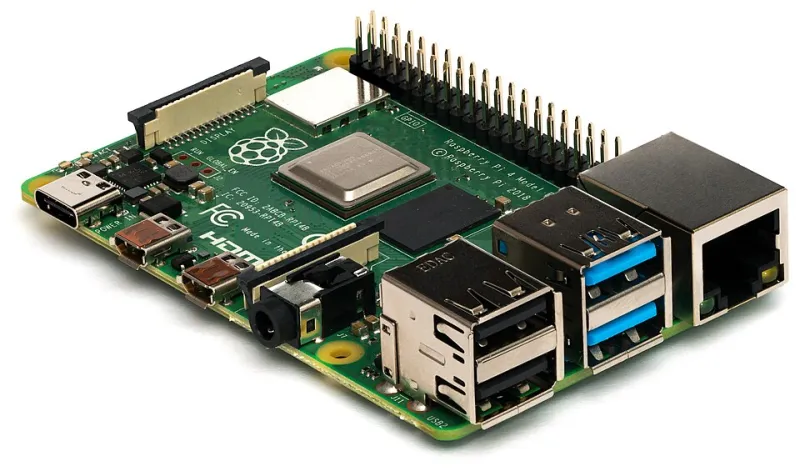
A refurbished mini PC (a Lenovo ThinkCentre Tiny, if you're curious), a used enterprise SSD pulled from eBay, a Raspberry Pi for monitoring, and a small UPS. Total hardware: $47. Hence the running joke in my house that I built a data center for the price of a dinner out.
But hardware is the invoice you see. It's not the bill.
Where the Money Actually Went
Electricity: $131/year. The mini PC sips power, but it never sleeps. I put a Kill A Watt meter on it after month three (should have done it day one) and it averaged about 15 watts around the clock. Multiply by the ~19 cents/kWh my utility in Ohio charges and you get roughly $131. Not nothing.
Hardware failures: $89. One SSD died in October — a used drive, so honestly, I got what I paid for. Replacement plus a spare to keep on the shelf: $89. I now believe in the shelf spare the way some people believe in insurance.
Accessories and scope creep: $62. A switch, some CAT6, a cooling fan because the closet was, again, warm. This line item always starts at zero and never stays there.
Time: the big one. I logged roughly 70 hours over the year on maintenance, upgrades, and troubleshooting. At even a modest freelance rate, that's real money. And about six of those hours happened between midnight and 3 AM, usually the week I was busiest at my day job.
Total cash: ~$330. Total with time priced in: north of $1,200.
What the Same Money Buys in the Cloud
A comparable VPS from a mainstream provider runs about $10–15/month, or $120–180/year. Add managed backups and you're still under $250 annually. The cloud wins on cash, every time, in this weight class.
So why did I renew my commitment to the closet for another year? Because the cloud can't sell you the other things I got: a reason to finally learn reverse proxies properly, a Docker playground where breaking things costs nothing, and the quiet satisfaction of streaming Jellyfin to my TV from a machine I physically own.
The Decision Framework I Wish I'd Had
Ask yourself three questions:
- Is the service for you or for others? Hosting your own stuff is a fantastic teacher. Hosting other people's stuff is a responsibility. If friends and family depend on uptime, buy reliability.
- Do you want to learn infrastructure, or do you want a product? If the goal is the app — the wiki, the photo library, the home automation — and not the plumbing, a $5 droplet is cheaper than your curiosity.
- Are you procrastinating? Be honest. I've watched (and been) the developer who spends three weekends configuring Kubernetes at home to avoid one afternoon of actually writing the feature. Homelabbing as expensive procrastination is real, and it wears a very convincing disguise called "productivity."
If you answered "me," "learn," and "no" — welcome to the closet. Bring a Kill A Watt meter. You'll want the numbers later.